
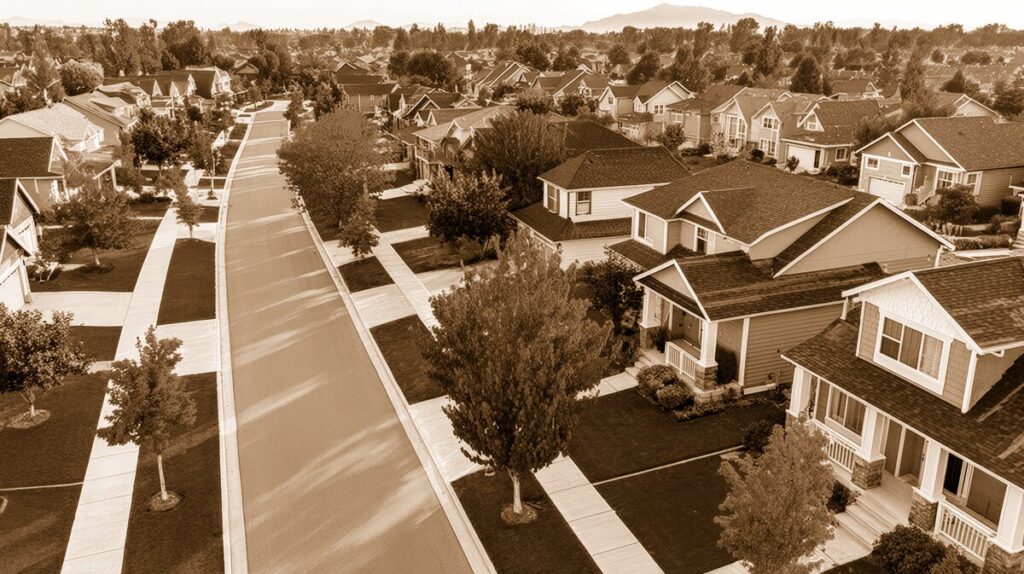
Nestled along the winding streets of Paducah, Kentucky, the Ella Munal neighborhood stands as a living testament to the city’s deep heritage and community spirit. With tree-lined lanes and houses echoing stories from generations past, Ella Munal is more than just a place on a map—it’s a vibrant chapter in the ongoing narrative of Paducah’s growth, resilience, and charm.
The Origins of Ella Munal
Paducah’s neighborhoods each carry unique stories, but Ella Munal has a particularly heartfelt beginning. The roots of this community can be traced back to the late 19th century, when railroads and riverboats drew a bustling population eager to build a life along the banks of the Ohio River. As the urban fabric of Paducah expanded, new neighborhoods emerged from farmland and settlement clusters. According to local lore, Ella Munal’s namesake pays homage to one of these early cornerstones.
The name “Ella Munal” is widely believed to be a combination of two influential early residents: Ella Perkins, a schoolteacher beloved by generations, and Joseph Munal, an enterprising merchant who established the first general store at the junction of Munal Avenue and Perkins Street. Over time, people began referring to the area as “the Ella-Munal,” a moniker that gradually became official.
Key Historical Milestones
Ella Munal’s evolution can be traced through key moments in Paducah’s history. As Paducah transformed from a riverside outpost into a regional hub, Ella Munal residents built institutions that would shape the character of the neighborhood for decades:
- 1923: The opening of Munal Elementary School at the corner of Munal Avenue and Perkins Street marked the first dedicated school in the neighborhood—and quickly became a focal point of community life. Generations of local children learned their ABCs here, supported by teachers living just blocks away.
- 1937: The “Great Flood” was a defining moment. As the Ohio River breached its banks, neighbors on Ella Munal’s higher ground opened their homes to families displaced from lower-lying sections of Paducah. Afterward, the community came together to help rebuild homes and businesses.
- 1950s-1970s: Ella Munal blossomed into a destination for Paducah’s growing middle class. Classic brick homes and bungalows sprang up along Oakridge Drive and Mapleton Court, many adorned with distinctive ironwork from local blacksmiths. The Munal Community Center opened in 1965, hosting church socials, dances, and the now-legendary annual autumn pie bake-off.
- 1980s-Present: Beginning in the early 1980s, revitalization efforts centered on preserving Ella Munal’s historic charm. Residents formed the Ella Munal Heritage Association, dedicated to architectural preservation and hosting walking tours that showcase the neighborhood’s unique character. Today, Ella Munal retains its reputation as one of the most welcoming and well-cared-for corners of Paducah.
Notable Landmarks and Institutions
What sets Ella Munal apart are its cherished landmarks, each a piece of the community’s identity:
- Munal Elementary School: Although the original 1920s building underwent extensive restoration in 2004, many of its classic elements—a bell tower, original stone facade, and oak floors—remain. Alumni often return for reunions and community events.
- Old Perkins Store: Housed at the intersection of Munal Avenue and Perkins Street, this red-brick building first opened in 1895. While it operates today as a cozy café called “The Corner Mug,” echoes of its mercantile past linger in the pressed-tin ceiling and old cash register displayed near the door.
- Oakridge Park: This peaceful green space on Oakridge Drive features mature trees, a playground, and picnic tables that play host to weekly summer potlucks. The park’s rose garden is a tribute to longtime resident Mabel “Granny” Hawkins, whose backyard blooms inspired generations.
- The Munal Heritage Mural: Commissioned in 2012 by a coalition of local artists, this vivid mural on the side of the Munal Community Center recounts milestones from the neighborhood’s past—including its welcoming of new families after the 1937 flood and scenes of classroom learning at the old elementary. The mural has become a source of pride and an irresistible photo stop.
Streets and Community Life
Walking through Ella Munal today, you’ll notice a delightful blend of old and new. Classic American Foursquare homes stand comfortably alongside restored Craftsman bungalows. Munal Avenue serves as the heart of the neighborhood, flanked by hundred-year-old trees whose canopies provide cool shade in the summer and breathtaking colors in the fall.
On Perkins Street, neighbors often greet one another by first name from wide front porches, and holiday decorations light up the winter nights. Children ride bikes to Oakridge Park after school, and every Saturday, the “Ella Munal Meet & Swap” brings residents together to exchange garden cuttings, homemade goodies, and family news.
How Ella Munal Has Evolved
Change comes gently to Ella Munal, guided by the neighborhood’s spirit of togetherness and respect for its roots. As Paducah has grown, new residents have brought fresh energy—restoring homes, planting community gardens, and revitalizing beloved traditions. While some of the original shops have given way to new boutiques and eateries, the neighborhood’s essential character—a sense of neighborliness, a love of history, and a shared commitment to keeping Ella Munal beautiful—remains constant.
The Ella Munal Heritage Association continues to champion preservation and organizes annual home tours, welcoming newcomers and celebrating what makes the area unique. Young families, retirees, artists, and professionals all find Ella Munal to be a place where history isn’t just remembered, but lived every day.
What Makes Ella Munal Special
For those who call it home, Ella Munal is more than a neighborhood—it’s a way of life woven tightly with camaraderie and pride. The past and present are cherished equally, and every resident, whether born and raised or newly arrived, becomes part of the story. The spirit of Ella and Munal themselves—commitment to education, commerce, and caring for neighbors—still shines in every gathering, every restoration project, and every warm welcome extended on a shady street.
For visitors and new arrivals, a stroll down Munal Avenue reveals why Ella Munal has endured as one of Paducah’s most treasured places. It invites you, as it always has, to be part of something special: a true community where history is living, laughter echoes, and memories are made every day.